
The Most Beautiful Villas and Parks in Rome: A Journey Through Nature, History, and Hidden Corners
When people think of Rome, they usually imagine the Colosseum, the Trevi Fountain, or the ruins of the Roman Forum. But beyond the busy squares and famous monuments, the Eternal City hides another side of itself—one made of enormous green parks, historic villas, quiet pathways, ancient aqueducts, and panoramic terraces.
Exploring the villas and parks of Rome means discovering a slower, more peaceful version of the city, where art, history, and nature exist together in perfect balance.
This itinerary takes you through some of the most fascinating green spaces in the Italian capital, from elegant aristocratic residences to vast archaeological parks stretching across the Roman countryside.
Pincio and Villa Borghese: Rome’s Elegant Green Heart
Just above Piazza del Popolo lies the famous Pincio Terrace, one of the most beautiful panoramic spots in Rome.
Centuries ago, this area became famous for spectacular celebrations during which enormous pyrotechnic constructions made of wood and papier-mâché were set on fire. These elaborate creations were designed by some of the most important architects of the time and transformed the hill into a stage for grand festivities.
From the Pincio begins the enormous green expanse of Villa Borghese, an 80-hectare park that belonged to the powerful Borghese princes until the end of the 19th century. Today, it remains one of the most loved parks in Rome.
Art lovers can visit the world-famous Galleria Borghese, home to extraordinary masterpieces and prestigious art collections. Families and animal lovers can stroll through the nearby Bioparco, Rome’s historic zoological garden.
Hidden among the pine trees is another cultural gem: the Casa del Cinema, a space dedicated entirely to cinema, where screenings, editing workshops, directing lessons, and cultural events regularly take place.
And if you need a break, the outdoor tables of the Cinecaffé offer the perfect place to relax surrounded by greenery.
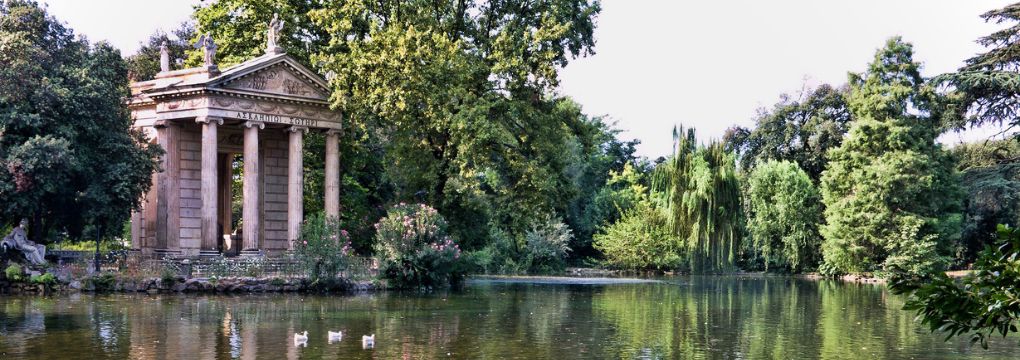
Villa Torlonia: The “Home of Mussolini” and a Hidden Art Nouveau Treasure
The journey continues toward Villa Torlonia, located about two kilometers from Porta Pia.
The villa was purchased in 1797 by Giovanni Torlonia and later transformed into a monumental residence. The restoration and redesign of the complex were entrusted to the famous architect Giuseppe Valadier.
Over time, Villa Torlonia became deeply connected with Italian history and entered public memory as the so-called “home of Mussolini.”
But beyond its historical associations, the villa is filled with architectural beauty.
Inside the park, visitors can admire the elegant Limonaia and, most famously, the extraordinary Casina delle Civette, a stunning example of Liberty-style architecture filled with stained glass, decorative details, and fairy-tale charm.
Close to the Casina is Technotown, a unique “mini-city” designed for children and teenagers. Here, young visitors can enjoy:
- Scientific experiments
- Simulated volcanic eruptions
- A mock television news studio explaining how news works
- Virtual journeys through Ancient Rome
It’s one of the most original family-friendly experiences in the city.
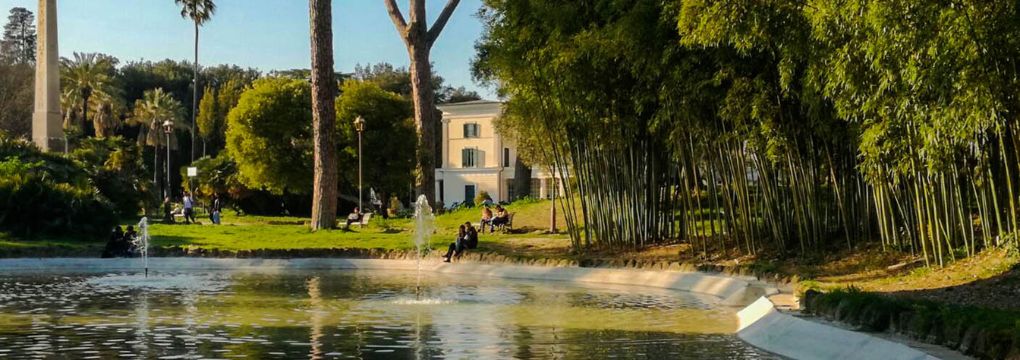
Villa Ada: Rome’s Wildest Park
Heading north of the city center, you’ll find Villa Ada, considered the richest park in Rome from a wildlife and environmental perspective. Unlike the more formal aristocratic gardens of other Roman villas, Villa Ada feels much more natural and untamed.
Its landscape is filled with:
- Cypress trees
- Pine trees
- Dwarf palms
- Rich Mediterranean vegetation
The park also includes fitness trails, open-air exercise areas, and even a skating rink, making it one of the most frequented parks among locals. For many Romans, Villa Ada is the perfect escape from city life.
Villa Celimontana: An Oasis Between the Colosseum and the Baths of Caracalla
Returning toward the historic center, inside the Renaissance layout of Parco del Celio, lies the peaceful Villa Celimontana.
Positioned between the Colosseum and the Baths of Caracalla, the villa feels like a hidden oasis away from the crowds.
Inside the park stands the beautiful Palazzetto Mattei, a 16th-century building that today serves as the headquarters of the Italian Geographical Society.
Within its walls are preserved some of the most important maps in Italy, connecting the villa not only to Roman history, but also to the history of exploration and geography.
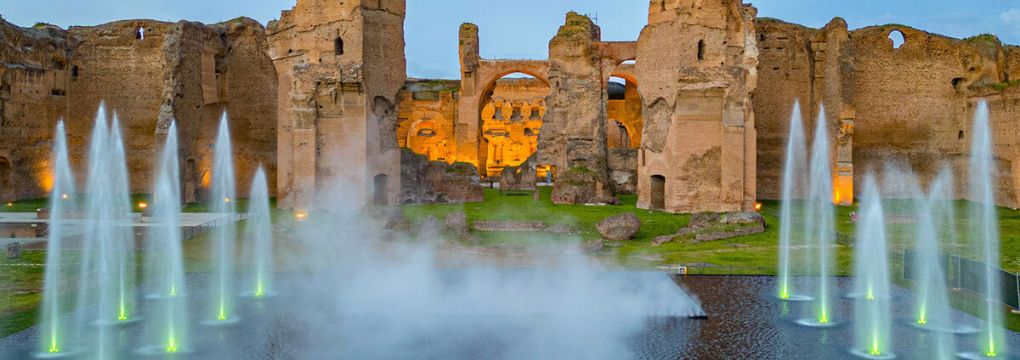
The Appian Way Park: Where Nature and Ancient Rome Become One
One of the most extraordinary places in Rome begins where the Via Appia exits through Porta San Sebastiano, along the Aurelian Walls.
From here starts the magnificent Parco Regionale dell’Appia Antica, one of the most important protected archaeological and natural areas in Italy.
The park stretches all the way to the Belvedere of Cecilia Metella and offers an unforgettable landscape where history and nature blend together in perfect harmony.
For centuries, this area of the Roman countryside between Rome and the Castelli Romani inspired artists, writers, and travelers from all over the world.
The protected area covers approximately 3,500 hectares and includes:
- A 16-kilometer stretch of the Via Appia Antica
- The Valley of the Caffarella
- The archaeological area of Via Latina
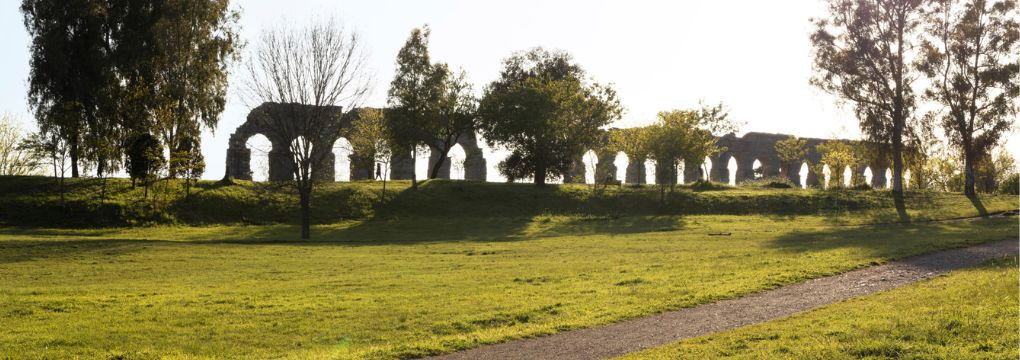
- The famous Park of the Aqueducts
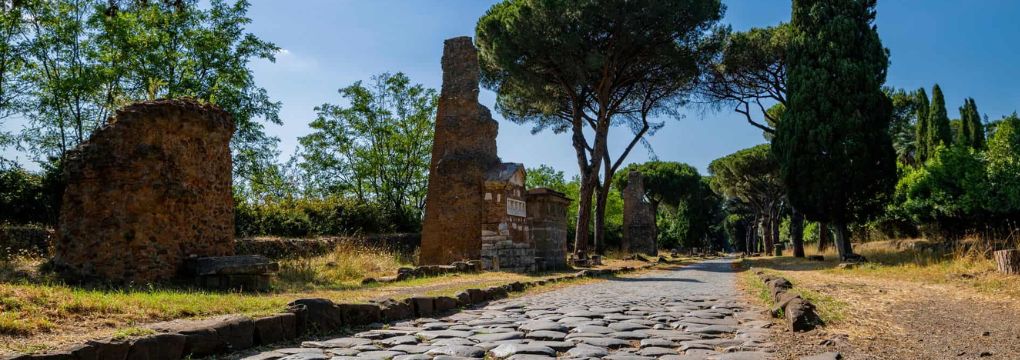
The Park of the Aqueducts takes its name from the extraordinary engineering system of ancient Rome. This was one of the key junctions of the city’s hydraulic network, where multiple aqueducts intersected, overlapped, and connected to supply water to:
- The Capital
- Patrician villas
- Public baths
- Fountains throughout Rome
Inside the Appia Antica Regional Park are also some of the most important Christian catacombs in Rome, including:
- The Catacombs of San Callisto
- The Catacombs of San Sebastiano
Between Via Appia Antica and Via Appia Nuova lies another remarkable archaeological site: the enormous Villa of the Quintilii, once one of the grandest residences of Ancient Rome.
Villa Pamphili: Rome’s Endless Green Escape
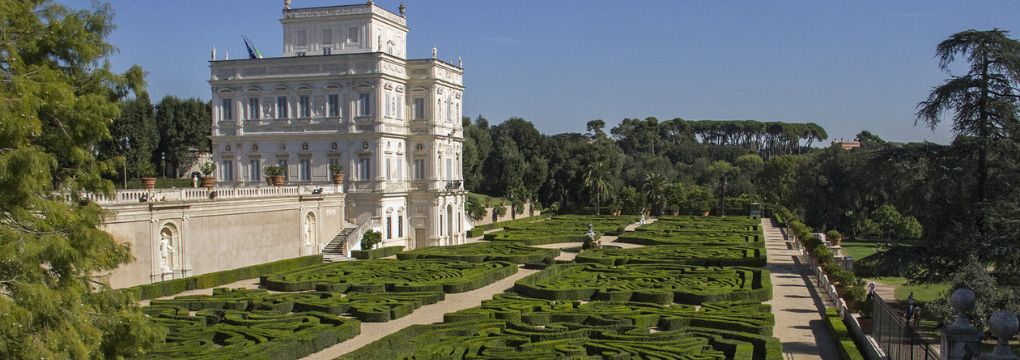
In the south-western part of Rome lies the immense Villa Pamphili, one of the largest parks in the entire city.
Its perimeter stretches for almost nine kilometers, crossing more than one neighborhood and offering endless green landscapes where Romans come to walk, run, picnic, or simply relax.
One of the highlights of the park is the panoramic terrace overlooking the elegant Casino del Bel Respiro, better known as Villa Algardi. The view alone is worth the visit.
A Different Way to Experience Rome
Rome is not only made of ruins, churches, and crowded piazzas.
Its villas and parks reveal another soul of the city—one filled with silence, shade, hidden fountains, ancient roads, and spectacular landscapes where nature and history have coexisted for centuries.
Whether you want to admire Villa Borghese, pass by the panoramic Pincio, discover the surroundings of Villa Torlonia, or enjoy the atmosphere of Rome’s most elegant green areas, these places offer a more authentic and peaceful side of the city.
One of the best ways to experience them from the outside is through our Dolce Vita Tour or Private Golf Cart Tour. These sightseeing tours allow you to move comfortably through Rome, admire its charming corners, panoramic terraces, hidden streets, and historic areas, without the stress of walking long distances.
It is a stylish, relaxing, and unforgettable way to discover a different side of Rome.



Comment (0)