
The Unique Charm Beneath Your Feet
Strolling through the heart of Rome offers something unique. Everywhere you turn, stunning monuments and charming views capture your heart. But it’s not just about what’s above—you also notice what’s beneath your feet. The iconic paving stones, called sanpietrini, are essential to Rome’s charm.
What Are Sanpietrini Made Of?
Sanpietrini consists of small blocks carved from leucite, a volcanic rock sourced from the Colli Albani hills and the Viterbo area. Workers shape these blocks into pyramid-like forms, about 12 x 12 x 6-8 cm, and place them directly on a sand or pozzolana (volcanic ash) base. These stones trace back to the ancient Roman road system, specifically the basalt paving stones. Their durable and flexible nature allows them to cover large, uneven surfaces perfectly. This setup helps them adapt to the street and absorb rainwater with ease.
The Origin of the Name
During Pope Sixtus V’s reign, people began using sanpietrini in the 16th century as he planned to pave the Via Sistina. Later, in 1736, Pope Clement XII Corsini promoted their use on the main streets of several Roman districts, including Via del Corso. During events like Carnival and horse races, workers covered these streets with sand and tuff to prevent people and animals from slipping. Sanpietrini first emerged in 1725 when Monsignor Ludovico Sergardi, responsible for overseeing St. Peter’s Basilica, decided to repave the square before the basilica. After noticing the square’s deteriorating condition, he took action and sought to improve it.
Mistaken Identity: Sanpietrini vs. Flints
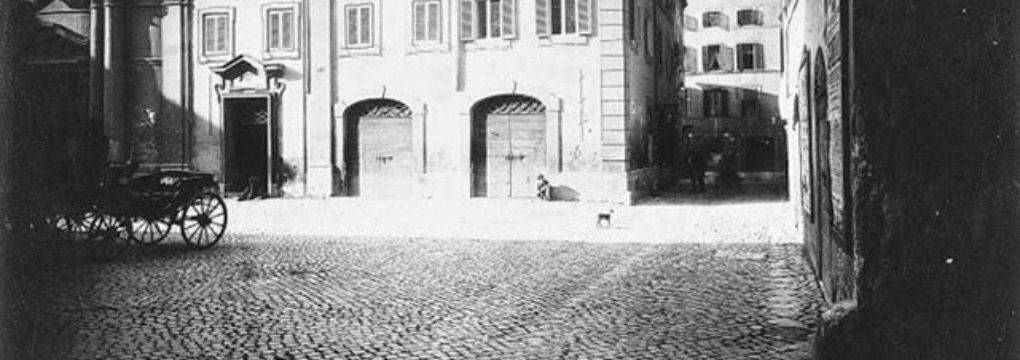
Before the name sanpietrini became official, and even today, people often mistakenly called them “flints” (selci). The confusion stemmed from mixing up leucite, a volcanic rock, with flint, a sedimentary rock from the sea. This mix-up led to the term selciarolo, referring to the workers who laid the stones. They used a tool called the mazzapicchio—made from wood or iron—to hammer the rocks into the sand foundation. Throughout the years, protesters often pried these stones loose and threw them during riots, sparking “stone battles” (selciate).
Sanpietrini Today
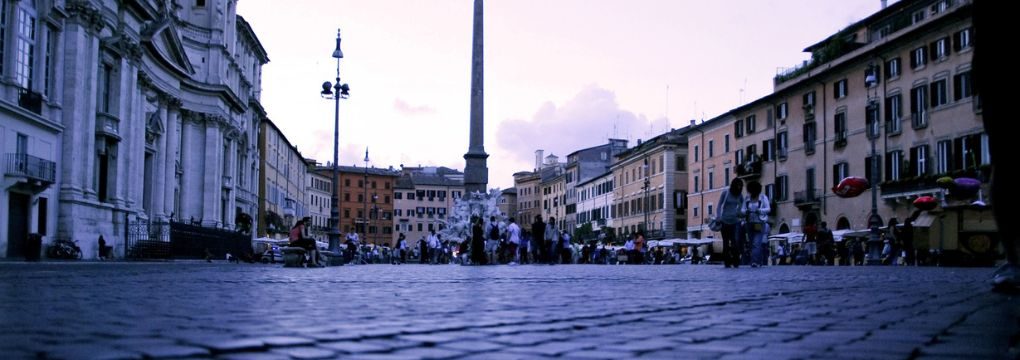
Sanpietrini has endured through the centuries, appearing in Rome’s central and peripheral areas. Michelangelo’s design inspired some of the most beautiful sanpietrini paving in Piazza del Campidoglio today. You can also find this elegant paving in Piazza Navona, Piazza del Quirinale, and the historic alleys around Via del Corso. These streets have recently been restored to preserve the original patterns from the 17th and 18th centuries.



Comment (0)