
Rome has a way of pulling history close. You grab a coffee, turn a corner, and suddenly you’re face to face with a masterpiece. This season, Palazzo Barberini invites you into a captivating story: Bernini and the Barberini—a powerful partnership that helped shape Baroque Rome.
A friendship that shaped Baroque Rome
Gian Lorenzo Bernini wasn’t just skilled. He had rare creative force. Meanwhile, Maffeo Barberini—later Pope Urban VIII—had vision, influence, and big plans for Rome. When they connected, art and power moved in the same direction.
As a result, the Baroque style grew stronger and more confident. You can still feel it today in Rome’s dramatic churches, bold fountains, and theatrical piazzas.
Why this exhibition feels special
This exhibition also lands in a meaningful year. It opens alongside the 400th anniversary of the consecration of St. Peter’s Basilica (1626). That moment marked a high point of Roman Baroque. It also marked a major chapter in Bernini’s career.
So the timing matters. It reminds you that great art often comes from a mix of talent, ambition, and opportunity.

A journey through Bernini’s life—step by step
The exhibition unfolds across six sections. Each one focuses on a key part of the relationship between Bernini and the Barberini. Step by step, you follow Bernini from early promise to full mastery.
At first, you see traces of late Mannerism, which he learned in his father’s workshop. Then, you watch his style shift. Gradually, it becomes more personal, bold, and expressive.
Highlights you’ll remember
This show brings together works that don’t often travel, which is part of what makes it exciting.
You’ll find major pieces like:
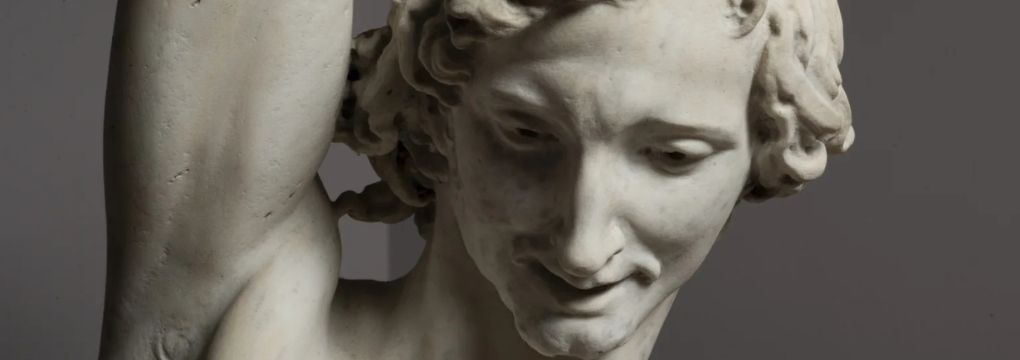
- St. Sebastian (on loan from the Thyssen-Bornemisza Museum in Madrid)
- Putto with Dragon (from the Getty Museum)
These works show a turning point. They capture the moment when Baroque sculpture starts to feel alive—full of movement, emotion, and presence.
In addition, the show includes exceptional loans like The Four Seasons from the Aldobrandini collection. Thanks to that, you can compare Pietro Bernini and Gian Lorenzo Bernini more closely. You can also see how the next generation pushed the style forward.
The return of the Barberini portraits
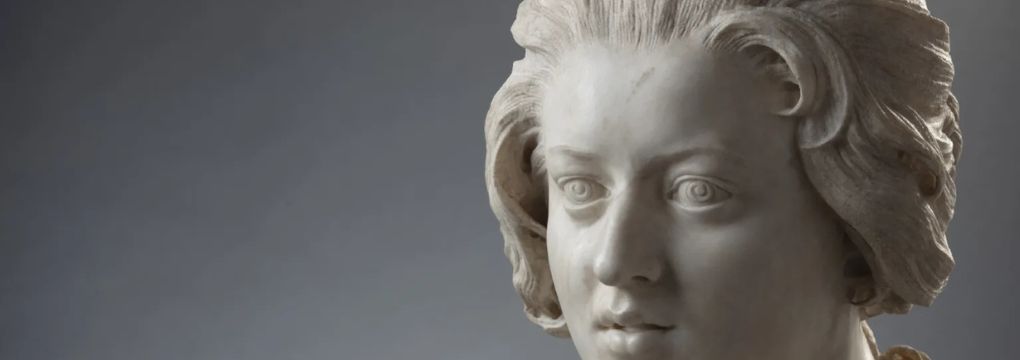
One section feels especially striking. For the first time, the Gallery of Portraits of the Barberini Ancestors returns to Palazzo Barberini. These marble portraits come from several collections, so you rarely see them together.
They also carry famous names: Bernini, Giuliano Finelli, and Francesco Mochi. Together, they bring the Barberini story back into the palace. They make the family feel present again.
Bernini wasn’t only a sculptor
Many people know Bernini for sculpture. However, the exhibition also shows Bernini as a painter. You’ll even find canvases shown to the public for the first time.
Then, the exhibition widens the lens. It uses drawings, prints, and models to show Bernini’s role at St. Peter’s. For example, you’ll follow his work from the Baldachin to changes in the crossing, and finally to the tomb monument of Urban VIII.
It’s a reminder that Bernini didn’t just create statues. He designed experiences.
A final comparison with the greats
At the end of the exhibition, Bernini’s work is placed alongside other leading artists of his time, including Guido Reni. It’s a beautiful way to close the visit—by showing the broader world of 17th-century taste, and the cultural vision of the Barberini dynasty.
Because the Barberini didn’t just commission art. They helped redesign Rome’s identity during the Baroque age.
If you love Rome, don’t miss this
Even if you’re not an art expert, this exhibition is easy to enjoy. It’s dramatic, elegant, and full of stories. It shows how one artist and one powerful family helped shape the Rome we admire today—Rome as theater, Rome as beauty, Rome as spectacle.
And in a city where history is everywhere, it’s refreshing to step into a palace and feel that history come alive in a new way.
📅 When: From 12 February 2026 to 14 June 2026
📍 Where: National Gallery of Ancient Art (Galleria Nazionale d’Arte Antica) — Palazzo Barberini
📞 Contacts
- 🌐 Website,
- 📸 Instagram,
- 🎟️ Online tickets:
- ☎️ Phone booking: +39 06 39967500
🕒 Hours
🎫 The ticket office closes at 18:00 (6:00 PM)


Comment (0)