
Casina del Salvi: A Hidden Gem Overlooking the Colosseum
Rome is full of treasures—some world-famous, others hidden and waiting to be discovered. One of these lesser-known gems is Casina del Salvi, located in the Archaeological Park of the Celio, just steps from the Colosseum.
From Vineyard to Napoleonic Garden
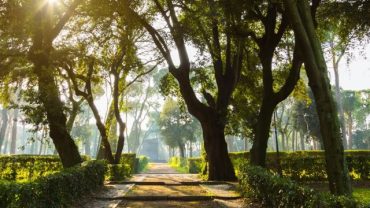
In the 1500s, this area was simply a vineyard owned by the Cornovaglia family. They held it for centuries until the early 1800s, when the French administration took over during the Napoleonic era. The land then became a dumping ground for soil from Rome’s large urban projects. This unexpected use shaped the park into an artificial hill facing the Colosseum. Soon after, it transformed into a tree-filled public garden known as the Jardin du Capitole, a scenic promenade linking the Roman Forum, Palatine Hill, and the Colosseum.
The Birth of the Casina
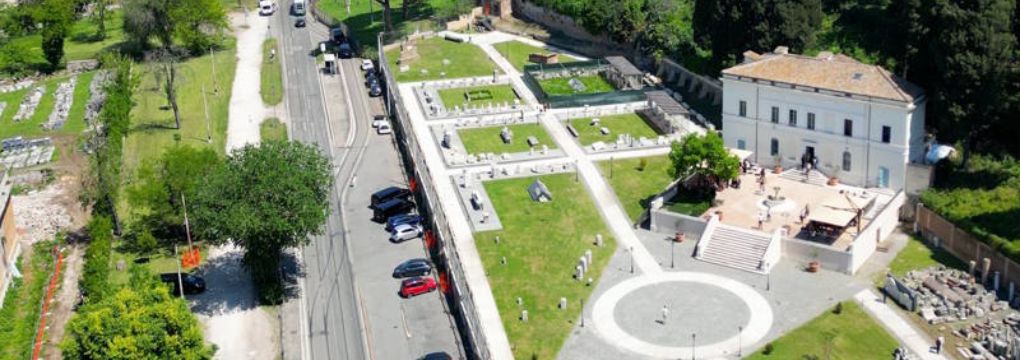
In 1835, Pope Gregory XVI wanted to add elegance to the promenade. He asked architect Gaspare Salvi to design a small villa near the remains of the Temple of the Divine Claudius. Inspired by Valadier’s coffee-house on the Pincio hill, Salvi built what we now call Casina del Salvi. It served as a stylish café where visitors could rest and enjoy the view.
A Walk Through Ancient Rome
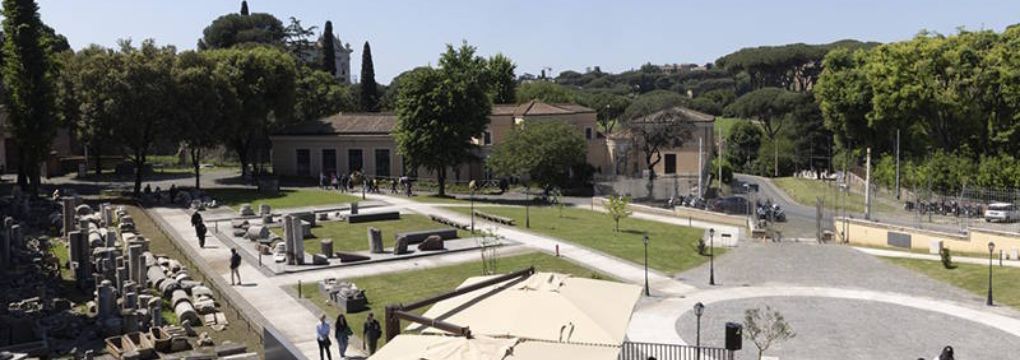
Today, the Celio Archaeological Park offers more than peaceful gardens. It also features a curated display of artifacts uncovered during the late 19th century, when Rome became Italy’s capital. Here you’ll see funerary objects, sculptures, altars to Roman gods, building fragments, and ancient boundary stones. Together, these artifacts tell vivid stories of daily life in ancient Rome.
A Café with a View
After a careful restoration, the Casina once again serves as a place to relax. Visitors can enjoy a café on the ground floor and terrace, with stunning views of the Colosseum and Palatine Hill. Upstairs, a modern study room offers Wi-Fi, charging stations, and quiet spaces to work or read. It blends history with modern comfort.
The Marvel of the Forma Urbis
The park also hosts the Museum of the Forma Urbis, home to fragments of the famous marble map of Rome, the Forma Urbis Romae. This vast map once covered a wall of the Temple of Peace in the 3rd century AD. Even in fragments, it remains one of the most important sources for understanding ancient Rome’s layout. The museum sits inside a 20th-century building, once a gymnasium, recently reopened after major restoration.
Why You Should Visit
If you’re planning a trip to Rome, step beyond the classic landmarks. Casina del Salvi and the Celio Archaeological Park combine history, archaeology, and leisure. Here you’ll find sweeping views of the Colosseum and a quiet escape from the crowds.

Comment (0)