
La Befana is the old woman on a broomstick who, on the night between January 5 and 6, fills children’s stockings with sweets, or coal if they misbehaved. In Rome, January 6 is a public holiday with the Pope’s Epiphany Mass in St. Peter’s and a costumed parade on Via della Conciliazione, while the Vatican Museums are closed.
Cover photo: Lalupa, CC BY-SA 3.0, via Wikimedia Commons
In Italy, the Christmas season does not end on January 1. It ends on January 6, the Epiphany, when the Befana arrives. Before Santa Claus became popular, she was the one who brought Italian children their presents, and in Rome she even has her own square, Piazza Navona. This guide explains who the Befana is, how Rome celebrates the Epiphany, and what is open and closed on January 6, 2027, a Wednesday. We are Facile Tours, a local tour operator in Rome since 2012. The 2027 programs of the Vatican and of the parade are not out yet, so we give last year’s details from official sources and tell you when the new ones are usually announced. For the rest of the holidays, see our guides to Christmas in Rome and New Year’s Eve in Rome.
Who is the Befana?
The Befana is an old woman who flies over Italy on a broomstick on the night between January 5 and 6. According to Italia.it, Italy’s official tourism website, she visits children’s homes and fills the stockings hanging by the fireplace with sweets, or with coal if they behaved badly during the year. Turismo Roma, Rome’s official tourism website, adds that before Santa Claus took over, it was the Befana who brought Italian children sweets and toys, or ashes and coal for bad behavior.
Her name comes from the feast itself. Epifania, the Italian word for Epiphany, became “Pifania” in popular speech, and then “Befania”. The Epiphany, from the ancient Greek word for a divine manifestation, celebrates the visit of the Three Wise Men to the infant Jesus, and falls 12 days after Christmas.
The legend is older than the Christian feast. Italia.it traces the Befana back to pagan rites that the ancient Romans inherited: during the 12 nights after the winter solstice, mysterious female figures were believed to fly over the fields to bring good harvests. Turismo Roma links her to the festivals of the winter solstice in ancient Rome, when the goddess Diana was said to fly over the fields and bless the crops. Germanic myths and the gifts of the Magi did the rest, and over time she took the look she has today: an elderly witch riding a broomstick.
Every Italian child knows the rhyme that begins “La Befana vien di notte, con le scarpe tutte rotte”: the Befana comes by night, with her shoes all worn out.
How did Rome celebrate the Befana in the past?
According to Turismo Roma, the Befana has always had a special bond with Rome. Throughout the 19th century, the heart of the celebrations was Piazza Sant’Eustachio, a few steps from the Pantheon, and the nearby lanes, with a market of nativity scenes and toys, and wine and sweets to keep everyone warm. After the Unification of Italy, the fair moved to Piazza Navona, which until then had held the city’s herb market (that market moved in turn to Campo de’ Fiori). Since then, with its merry-go-rounds and stalls, Piazza Navona has been the Romans’ favorite square in the holiday season and the setting of the Epiphany celebrations.
Another place tied to the old Roman Befana is the Basilica of Santa Maria in Aracoeli, on the Capitoline Hill. An old belief held that climbing its steep staircase on your knees, while invoking the Three Wise Men, would help you win the lottery. And every January 6, the much-loved statue of the Baby Jesus of the Aracoeli was carried in procession through the city, to bless Rome.
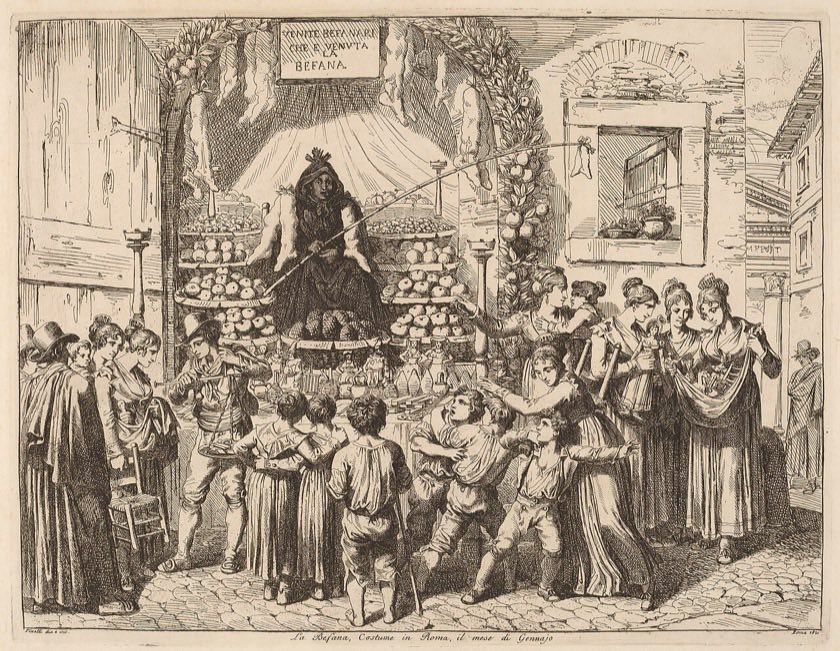
The Roman artist Bartolomeo Pinelli drew the scene in 1821. His etching, titled La Befana, Costume in Roma, il mese di Gennajo (“The Befana, a Roman custom in January”), shows the Befana above a stall of fruit and sweets, with children gathered in front.
Is January 6 a public holiday in Italy?
Yes. The Epiphany is one of Italy’s national holidays, listed in the presidential decree of December 28, 1985. It came back after a short break: a 1977 law had removed it from the civil holidays, and a 1985 law and decree restored it. An Italian saying sums up its place in the calendar: “L’Epifania tutte le feste porta via”, the Epiphany takes all the holidays away. It is the last day of the Christmas holidays.
For visitors, this means a busy holiday in the center, especially in the morning around St. Peter’s. Most of the big sights stay open, with the important exception of the Vatican Museums (see the table below). In 2027, January 6 falls on a Wednesday.
What does the Pope do on January 6?
The Pope celebrates the Solemnity of the Epiphany in St. Peter’s Basilica. On January 6, 2026, according to the Vatican’s official notice of the Christmas celebrations, Pope Leo XIV celebrated the Mass at 9:30, together with the closing of the Holy Door that ended the Jubilee of 2025. After the Mass, he recited the Angelus from the Central Loggia of the basilica and greeted the participants in the Epiphany parade. In 2025, Pope Francis also celebrated the Epiphany Mass in St. Peter’s Basilica, then led the Angelus with the crowd in St. Peter’s Square.
The times for January 6, 2027, are not out yet. The Vatican publishes the program of its Christmas celebrations in December (last year’s notice is dated December 6), and the 2026 time was linked to the closing of the Holy Door, so check vatican.va before you plan your morning.
Tickets for the Pope’s liturgical celebrations are always free of charge. You request them from the Prefecture of the Papal Household through the official Vatican page; do not pay anyone for them. For the rest of your visit, see our guide to visiting the Vatican.
What is the Viva la Befana parade on Via della Conciliazione?
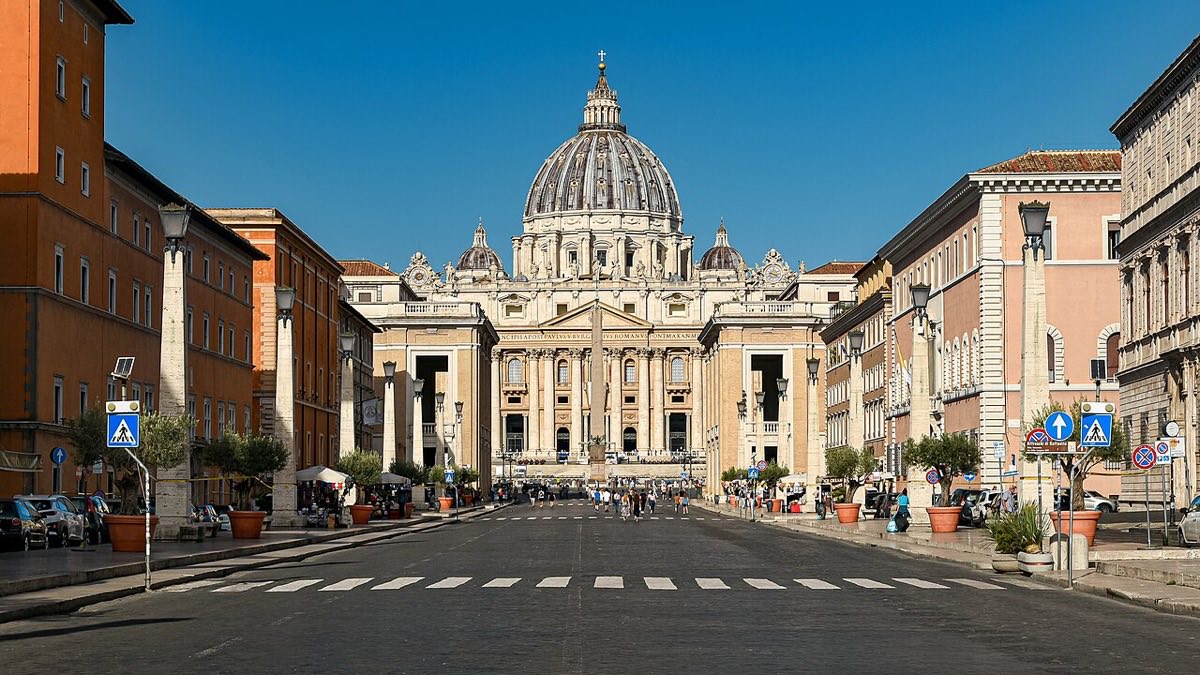
On January 6, a historical and religious parade called Viva la Befana walks down Via della Conciliazione, the wide avenue that leads to St. Peter’s Square. Turismo Roma describes it as a colorful festival of volunteers: groups in historical costume, horses, flag-throwers, musicians, marching bands, military fanfares and living nativity scenes, all following the Three Wise Men. Each year the organizers choose a different part of Italy to lead it. In 2026, the 39th edition, the Magi came from Sicily; in 2025, the parade was dedicated to the town of Amelia, in Umbria.
After the Angelus, the Three Wise Men bring their symbolic gifts to the Pope. The parade also has its own Befana, made every year by an association from Mentana, a town near Rome. Turismo Roma describes her as a friendly grandmother with a reassuring face.
In 2026, the parade set off at about 10:00 from Piazza Pia, at the end of Via della Conciliazione near Castel Sant’Angelo, according to the organizers’ website. It is free and open to all. The 2027 edition has not been announced yet: check Turismo Roma and the organizers’ website, vivalabefana.com, at the end of December.
What is open and closed in Rome on January 6?
The Epiphany is a public holiday, but most of Rome’s big sights stay open. The big exception is the Vatican Museums. These are the official hours for January 6, 2027, checked on November 2, 2026:
| Place | January 6, 2027 | Hours and notes |
|---|---|---|
| Vatican Museums and Sistine Chapel | Closed | They are also closed on January 1 |
| St. Peter’s Basilica | Open | 7:00–19:00 (winter hours); papal Mass in the morning, time announced in December, when access can be limited |
| Colosseum | Open | 8:30–16:30, last admission 15:30; the Roman Forum and the Palatine open at 9:00 |
| Pantheon | Open | 9:00–19:00, last entry 18:30; holiday Mass at 10:30, when entry is free for worshippers and ticket sales stop one hour before |
| Capitoline Museums | Open | 9:30–19:30, last admission 18:30 |
| Piazza Navona | Festa della Befana market | This season’s dates are in our Piazza Navona guide |
| Our shared Vatican tour | Does not run | No tours on Sundays or public holidays |
| Our private golf cart and Fiat 500 tours | Run in the holiday season | Check the available dates when you book |
Hours can change for religious celebrations and special events, so check the official websites a few days before you go. At the Pantheon, tickets for each month go on sale in the middle of the month before, so January tickets should be available from mid-December. Our guides to the Colosseum and the Pantheon explain tickets and what to see inside.
Where can you see the Befana in Piazza Navona?
Piazza Navona is still the Befana’s square. Every winter it hosts the Festa della Befana, Rome’s traditional Christmas market, with stalls of sweets, toys and nativity figures around the fountains, and the season traditionally ends with the Befana’s own day. This season’s dates, and the story of the ancient stadium under the square, are in our guide to Piazza Navona.
What sweets does the Befana bring?
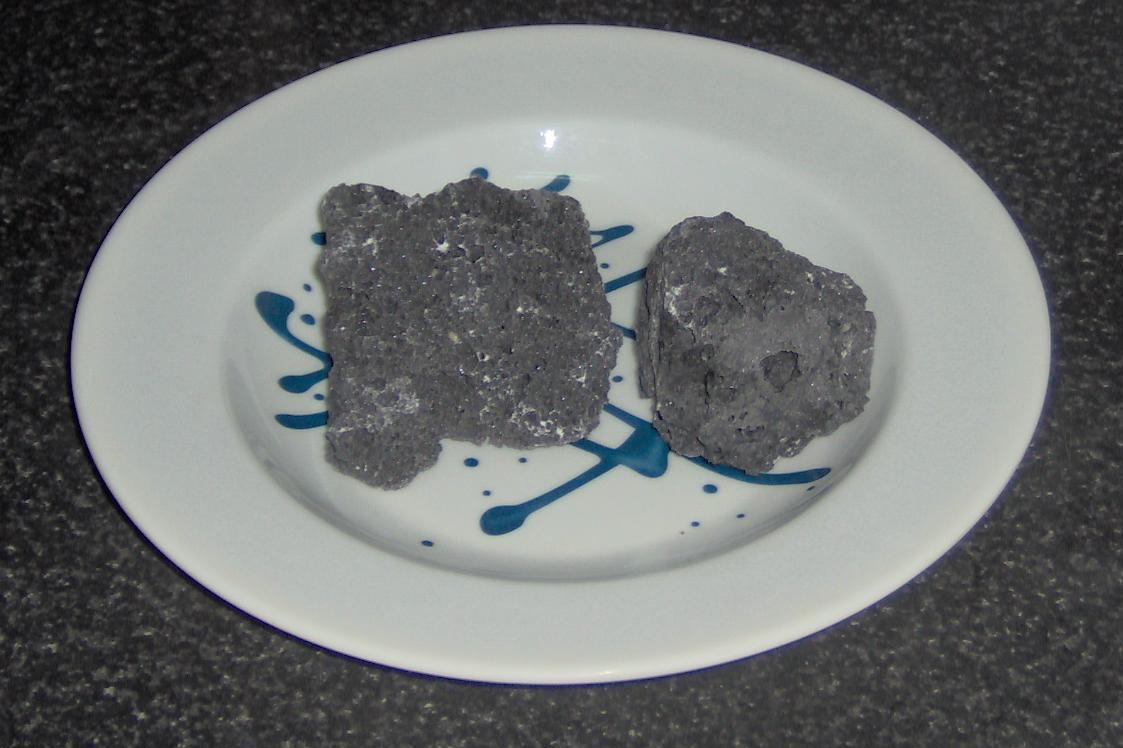
Sweets, mostly, and a piece of coal for children who were not so good. Today that coal is usually carbone dolce, sweet coal: a black sugar candy that looks like a lump of coal, so even naughty children get a treat. During the holidays you find it in pastry shops and in the ready-made Befana stockings sold in shops.
Each region of Italy also has its own Epiphany sweets. Italia.it lists befanini, rum-flavored cookies from Tuscany; fugassa della Befana, a sweet focaccia with candied fruit and sugar grains from Piedmont; pepatelli, cookies with almonds, honey and a pinch of pepper from Abruzzo; and purcidduzzi, small fried dough bites from Salento, in Puglia. For Rome’s own holiday sweets, such as pangiallo and torrone, see our guide to Christmas food in Rome.
How do you get around Rome on January 6?
Last year, January 6 was the last day of the city’s Christmas mobility plan, which ran from December 6, 2025. According to Roma Mobilità, the city’s mobility agency, it included:
- Three free circular bus lines in the historic center: Free 1 (from Piazza dei Cinquecento, by Termini station, to Largo Chigi) and Free 2 (from Piazzale dei Partigiani and Piramide to Largo Chigi, via the Circus Maximus, Piazza Venezia and Via del Corso), every day from 9:00 to 21:00, and the electric line 100 (from Villa Borghese to Piazza Cavour), every day from 9:00 to 20:00.
- More metro and bus runs to the center on Saturdays and holidays.
- A €10 mobility pass for public transport on Saturdays and holidays.
- Longer hours for the limited traffic zone (ZTL) of the historic center: from December 26 to January 6 it was active every day, holidays included, from 6:30 to 18:00. If you rent a car, do not drive into it without a permit.
The plan for the 2026–27 holidays should come out in early December: check romamobilita.it before you travel. On the morning of January 6, the area around St. Peter’s is crowded with the Mass and the parade, so walk or take metro line A to Ottaviano rather than a bus or taxi. For tickets, the metro and taxis, see our guide to getting around Rome.
See Rome on January 6 with us
The Epiphany is the last day of the Christmas season, and our private tours run in the holiday season too. For January 6, check the available dates when you book:
- Private golf cart tour: 2, 3 or 5 hours, with pickup at your hotel in the historic center, starting at 9:30, 10:00, 14:30, 18:00 or 18:30. It costs €350 for 1–3 people (2 hours, November to mid-April), or €450 for 3 hours, then €115 or €150 per person from 4. The 3-hour route includes Piazza Navona and the Pantheon, seen from the outside. Child seats are available on private golf cart tours only, and a folded stroller fits on board; just tell us when you book. The carts have rain covers. See all our golf cart tours in Rome.
- Private golf cart tour by night: 2 hours, starting at 20:00, 21:00 or 22:00, with pickup at your hotel in the historic center. You choose the stops, such as the Pantheon, Piazza Navona and the Trevi Fountain, seen from the outside. It costs €450 for 1–3 people at 20:00 (€510 at 21:00, €550 at 22:00).
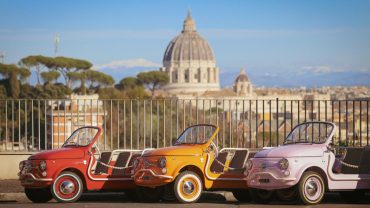
- Private Dolce Vita tour in a vintage Fiat 500: 3 hours in restored original Fiat 500s converted to electric (or a Fiat 850 Spiaggina), with a driver, starting at 9:30, 10:00, 14:30, 18:00 or 18:30. The typical route includes Piazza Navona and the Pantheon. It costs €590 for 1–3 people, €1,180 for 4 and €240 per person from 5. The cars are vintage convertibles, so dress warmly in January. Children must be at least 3, and some cars have no seat belts, because they were built before seat belts were required. If it rains, the tour runs in a golf cart with rain covers. See all our vintage Fiat 500 tours in Rome.
On the morning of January 6, the area around St. Peter’s is busy with the papal Mass and the parade, so an afternoon or evening start is usually calmer, and your driver plans the route around the crowds. Drivers are not licensed guides, but they will gladly help with your requests. These private tours take up to 21 guests guaranteed, and larger groups on request (on the 2-hour golf cart tour, the maximum depends on the start time). You can find all our evening options on the Night Tours page, and tips for families in our guide to Rome with kids, seniors and limited mobility.
Our shared Vatican and Sistine Chapel tour does not run on January 6: there are no tours on Sundays or public holidays, and the Vatican Museums are closed that day anyway. Book it for another day of your stay.
Explore it with us
 Private Golf Cart Tour2, 3 or 5 hours, hotel pickup in the historic center · from €350 for 1–3 peopleBook now
 Private Golf Cart Tour by Night2 hours from 20:00, 21:00 or 22:00, hotel pickup · from €450 for 1–3 peopleBook now
 Private Dolce Vita Tour by Vintage Fiat 5003 hours in restored Fiat 500s converted to electric · from €590 for 1–3 peopleBook now
FAQ
Who is the Befana?
The Befana is an old woman of Italian folklore who flies on a broomstick on the night between January 5 and 6. She fills children’s stockings with sweets, or with coal if they misbehaved. Today the coal is usually carbone dolce, a black sugar candy.
Is January 6 a public holiday in Italy?
Yes. The Epiphany is a national holiday in Italy and the last day of the Christmas holidays, as the saying “L’Epifania tutte le feste porta via” reminds everyone. In 2027, January 6 falls on a Wednesday.
Are the Vatican Museums open on January 6?
No. The Vatican Museums and the Sistine Chapel are closed on January 6, as on January 1. The Colosseum, the Pantheon and the Capitoline Museums are open with their usual winter hours, and St. Peter’s Basilica is open, with the papal Mass in the morning.
What time is the Pope’s Epiphany Mass in St. Peter’s?
On January 6, 2026, the Pope celebrated the Epiphany Mass at 9:30 in St. Peter’s Basilica, then recited the Angelus. The Vatican announces the 2027 time in December. Tickets are always free and are requested from the Prefecture of the Papal Household.
What is the Viva la Befana parade?
It is a historical and religious parade on Via della Conciliazione on January 6, with costumed groups, horses, bands and the Three Wise Men, who bring symbolic gifts to the Pope after the Angelus. In 2026 it started at about 10:00 from Piazza Pia. It is free.
Where can you see the Befana in Rome?
In Piazza Navona, which has hosted the Befana’s Christmas market since the Unification of Italy, and at the Viva la Befana parade on Via della Conciliazione, which has its own Befana. In shops and pastry shops you will find Befana dolls, stockings and sweet coal.
Comment (0)